

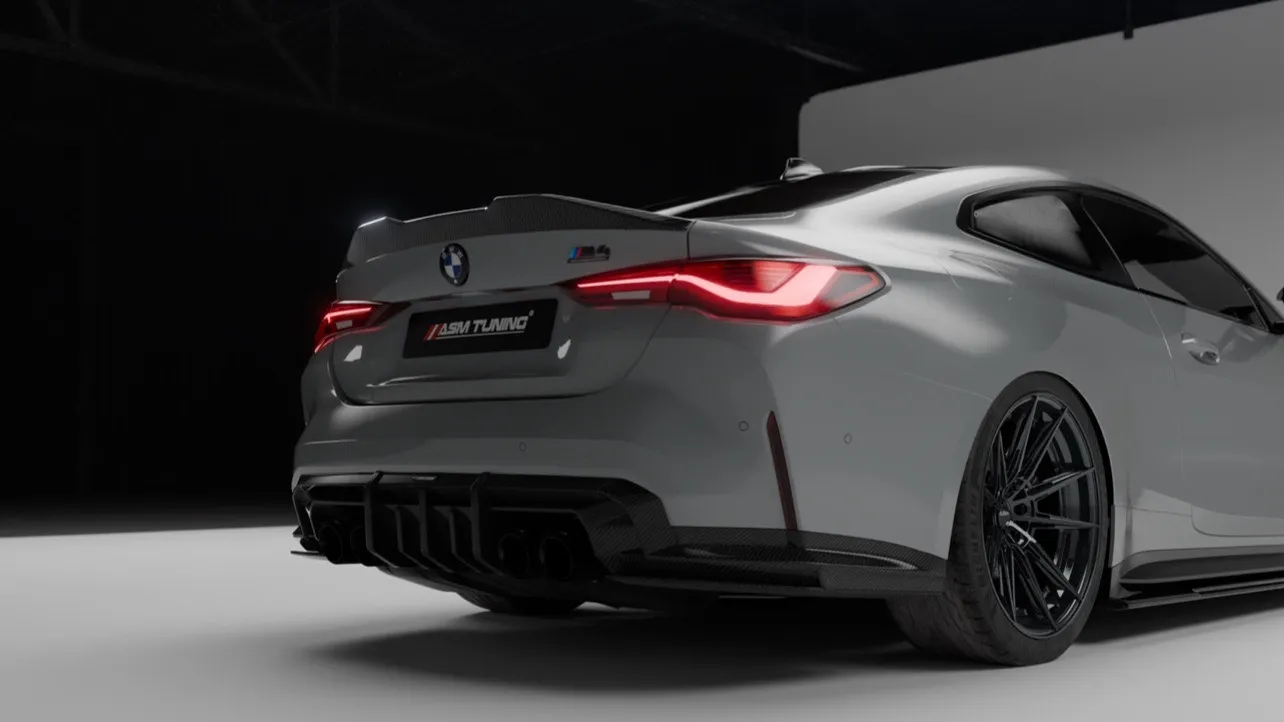
How to Install a Rear Diffuser Properly | Step-by-Step Fitment Guide
A rear diffuser defines the lower rear profile of a vehicle, but achieving the correct result is not simply about attaching a part beneath the bumper. Clean alignment, stable mounting, accurate fixing points, and platform-correct fitment all determine the final outcome. This guide explains how to install a rear diffuser with a structured approach that protects both the part and the vehicle.
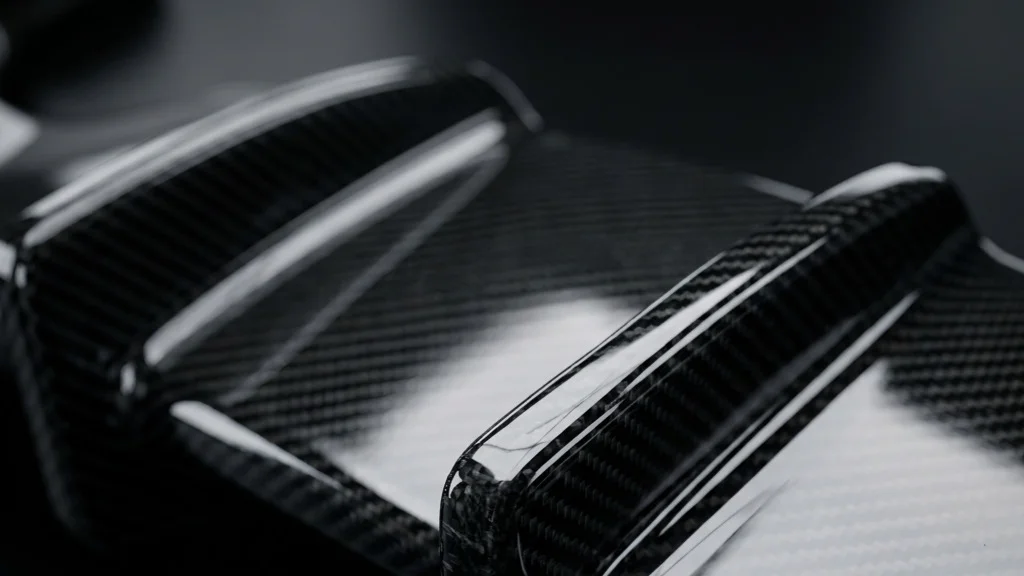
What This Guide Covers
If you searched for how to install a rear diffuser, you are likely trying to avoid poor alignment, visible gaps, unstable mounting, or a final result that feels too universal for the vehicle. These details immediately reduce the quality of the installation. The objective is not just to fit the diffuser. The objective is to create a finish that looks deliberate, integrated, and correct for the platform.
At ASM Sports Tech, we always recommend that exterior aero components are fitted with patience and structure. Even a well-designed diffuser can look wrong if it is misaligned or mounted carelessly. This is especially important with carbon fibre rear diffusers, where precision and visual discipline matter as much as the component itself.
Tools and Materials You May Need
- Microfibre towels and panel-safe cleaner
- Masking tape for marking position
- Measuring tape or ruler
- Trim-safe drill bits if drilling is required
- Appropriate screws, rivnuts, bolts, or supplied hardware
- Ratchet or screwdriver set
- Protective gloves
- A second person for alignment support
Before You Start: Prepare the Rear Bumper Area
Before anything is installed, clean the lower rear bumper thoroughly and inspect the mounting area. Dirt, adhesive residue, trapped road debris, or previous fixings can all affect fitment. A clean surface helps you judge spacing correctly and reduces the chance of scratching painted or carbon surfaces during handling.
Lay out all sections of the diffuser and confirm the hardware count before starting. If the diffuser includes separate fins, side pieces, or support brackets, understand their orientation before attempting installation. This saves time and reduces the risk of forced alignment later.
Design is not decoration. The result must look engineered, stable, and platform-correct.
How to Install a Rear Diffuser Step by Step
Dry-Fit the Diffuser Before Marking Anything
Position the diffuser against the bumper without fixing it permanently. Check how the edges meet the bumper line, how the centre section sits, and whether both sides appear balanced. Never start drilling or tightening without first checking the complete shape against the rear profile of the car.
Mark the Key Alignment Points
Use masking tape to mark central reference points and outer edges. Measure from stable bumper landmarks to confirm symmetry. This stage matters because even a small shift can make the diffuser appear visibly off-centre once fully secured.
Confirm the Mounting Locations
Identify the intended mounting points before installing any hardware. If the diffuser uses existing fixings, confirm they line up correctly. If extra drilling is required, recheck the position again before creating any new holes. Random drilling is one of the fastest ways to ruin an otherwise strong installation.
Secure the Centre First
Begin with the central mounting points where possible. This stabilises the diffuser and makes side alignment easier. Lightly secure the initial points without fully tightening them so you still have room to adjust the overall position.
Work Outward Evenly
Move from the centre toward each side, applying hardware gradually and evenly. Avoid fully tightening one side before the other. Balanced tightening helps the diffuser settle naturally against the bumper and reduces tension across the part.
Inspect the Final Fitment
Step back and assess the diffuser from multiple angles. Check edge consistency, side-to-side symmetry, and how the lower rear line reads overall. Once satisfied, finish tightening the hardware evenly. The diffuser should feel integrated into the car, not visually separate from it.
Common Mistakes That Ruin Rear Diffuser Fitment
Most poor diffuser installations do not fail because of one dramatic mistake. They fail because of small details: uneven side spacing, rushed drilling, trapped dirt behind the part, weak hardware, or a lack of patience during alignment. On a higher-standard build, those details are immediately visible.
- Installing without a proper dry fit first
- Marking alignment by eye instead of measuring
- Tightening one side before confirming overall symmetry
- Using weak hardware for a larger diffuser assembly
- Ignoring bumper preparation and trapped debris
Professional Fitment Recommendation
Many enthusiasts search for rear diffuser installation advice so they can fit the part themselves, and that is possible in many cases. But if the vehicle is part of a cleaner design direction or the diffuser is a more involved carbon component, professional installation is often the stronger route. It protects the material, improves the final finish, and helps preserve the intended standard of the build.
Why the Right Diffuser Matters as Much as the Installation
Even perfect installation will not fix a diffuser that was poorly developed. Material consistency, edge finish, mounting logic, and platform-specific fitment all matter. A diffuser should look as though it belongs to the car. It should follow the bumper shape with discipline rather than feeling generic or visually forced.
Explore the wider ASM Sports Tech collection if you want a more complete result across front splitter, side profile, rear diffuser, and overall aerodynamic direction. When the complete language of the car is coherent, presence increases without losing restraint.
Explore ASM Sports Tech Aero Upgrades
Rear Diffuser Collection
Platform-focused diffuser designs developed for cleaner rear definition, stronger visual structure, and a more resolved lower bumper finish.
View DiffusersCarbon Aero Programmes
Discover a broader aerodynamic direction with front splitters, side skirts, spoilers, grilles, ducts, and complete carbon fibre packages.
Explore ProgrammePlatform Configuration
Browse upgrades by vehicle platform to build a cleaner and more coherent performance direction for your specific chassis.
Open ConfiguratorFrequently Asked Questions
Do rear diffusers always require drilling?
No. Some systems use existing mounting points, while others require additional fixings depending on the design and the platform. The correct method depends on how the diffuser was developed.
Can I install a rear diffuser myself?
Yes, in many cases you can. But achieving a clean, centred, and stable finish depends on patience, accurate measurements, and the quality of the diffuser itself.
Does a rear diffuser improve performance?
On many road builds, the main benefit is visual. On more developed aerodynamic setups, diffuser geometry can also support airflow management at speed. The real effect depends on the overall vehicle setup.
What is the most common rear diffuser installation mistake?
The most common mistake is rushing alignment. If the diffuser is not measured and positioned correctly before tightening, the final result can look off-centre or visually disconnected from the bumper.
Building a Cleaner Rear Aero Direction?
Explore the ASM Sports Tech carbon fibre collection or speak with our team for platform guidance, fitment advice, and a more coherent aerodynamic direction.