

How to Install a Front Splitter Properly | Step-by-Step Fitment Guide
A front splitter can transform the presence of a car, but achieving the right result is not just about attaching a part underneath the bumper. Proper alignment, correct mounting points, stable hardware, and platform-correct fitment all matter. This guide explains how to install a front splitter with a cleaner, more professional approach that protects both the part and the finish.
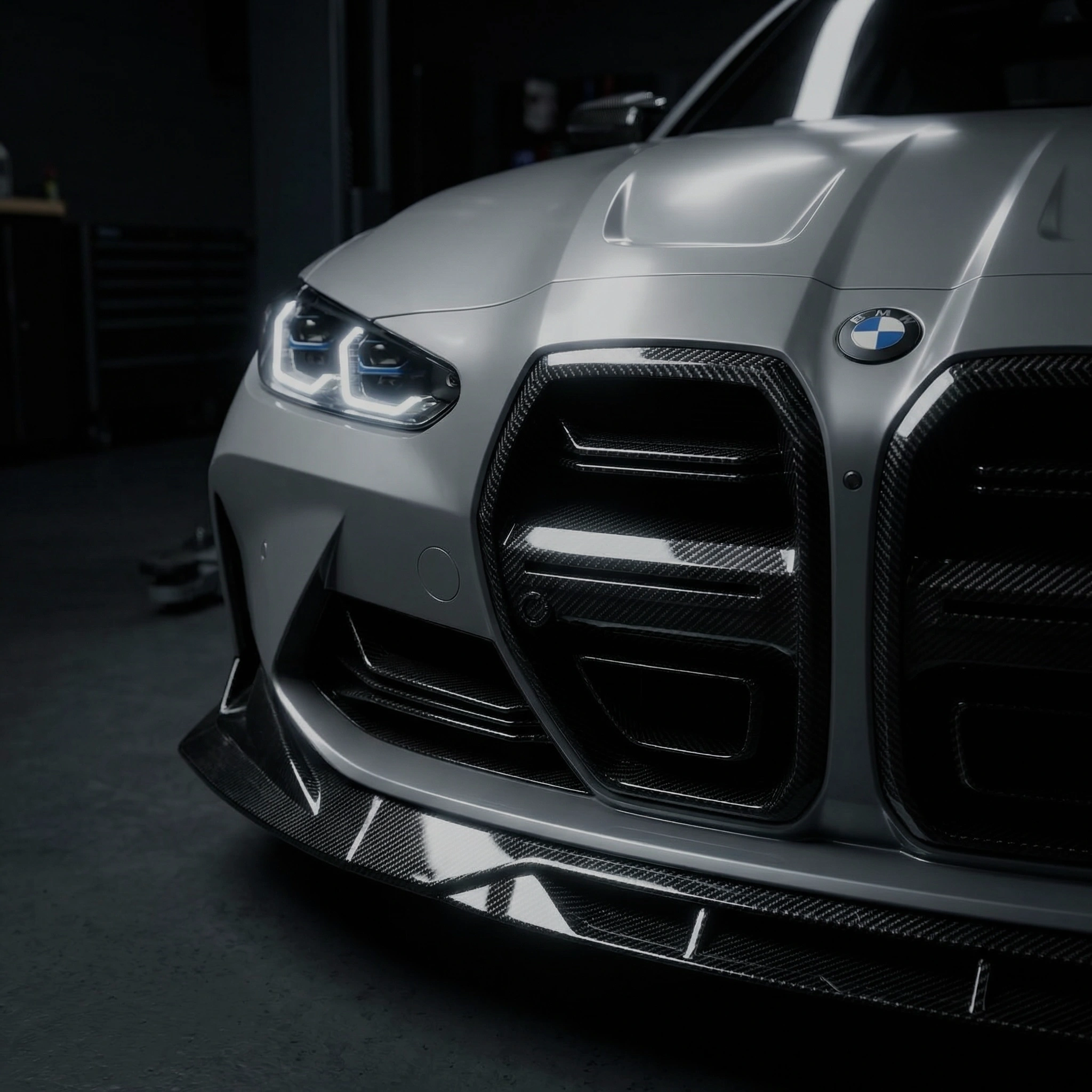
What This Guide Covers
If you searched for how to install a front splitter, you are probably trying to avoid the two most common problems: poor alignment and weak mounting. Both immediately reduce the final result. On higher-end builds, the goal is not simply to fit the splitter. The goal is to create a finish that looks intentional, stable, and worthy of the platform.
At ASM Sports Tech, we always recommend that premium aero components are fitted with patience and accuracy. Even the best-designed splitter can look wrong if the surface is not prepared correctly or if mounting points are rushed. This is especially important with carbon fibre front splitters, where the visual standard must match the engineering intent.
Tools and Materials You May Need
- Microfibre towels and panel-safe cleaner
- Masking tape for marking alignment
- Measuring tape or ruler
- Trim-safe drill bits if drilling is required
- Appropriate screws, rivnuts, bolts, or supplied hardware
- Ratchet or screwdriver set
- Protective gloves
- A second person for support during alignment
Before You Start: Check the Splitter and the Bumper
Before anything is installed, inspect the splitter on a soft surface and confirm that the bumper area underneath is clean and free from trapped dirt, previous adhesive residue, or damaged plastic. A proper installation starts with preparation. Never force a premium aero component into place without first dry-testing the fitment.
If your splitter has multiple sections or support brackets, lay everything out in order before beginning. This is the stage where you confirm hardware count, identify left and right sections if applicable, and check how the splitter sits against the lower edge of the bumper.
Design is not decoration. The result must look engineered, stable, and platform-correct.
How to Install a Front Splitter Step by Step
Clean the Mounting Surface Properly
The underside of the bumper must be cleaned thoroughly. Dust, grease, traffic film, and road residue can affect alignment and any adhesive-backed locating elements. Even when a splitter is primarily bolt-mounted, a clean surface makes measuring and positioning far more accurate.
Dry-Fit the Splitter Before Marking Anything
Hold the splitter in place without drilling. Check that both sides sit evenly, that the outer edges follow the bumper line, and that the centre section is visually balanced. This is where a second person makes a major difference. Never guess symmetry by eye alone.
Mark Alignment Points with Tape
Use masking tape to mark the centre line and key outer reference points. Measure from stable bumper features on both sides so you can confirm equal spacing. This helps avoid one side sitting slightly forward, lower, or wider than the other after tightening.
Confirm Mounting Locations
Once alignment looks correct, identify the mounting points underneath. If the splitter was supplied with a dedicated hardware kit, follow the manufacturer’s intended positions. Avoid random drilling. A premium result depends on using structurally sensible points that hold the splitter tightly and evenly.
Drill Only If Necessary and Only After Rechecking Fitment
If drilling is required, recheck the placement one final time before making any holes. Use the correct bit size, work carefully, and avoid rushing. It is always better to take longer here than to create a visible offset or a weak fixing point.
Install the Centre Section First
In most cases, securing the centre first helps maintain symmetry. Lightly fasten the initial points without fully tightening them. This allows minor adjustment as the rest of the hardware is fitted across the left and right sides.
Work Outward Evenly
Move from the centre toward each side, applying hardware progressively. Do not fully tighten one side before the other. Balanced tightening reduces tension and helps the splitter settle naturally against the bumper profile.
Final Alignment and Tightening
Step back and inspect the splitter from multiple angles. Check side projection, front edge line, and contact consistency underneath. Once satisfied, complete final tightening evenly. The splitter should look integrated with the bumper rather than simply attached beneath it.
Common Mistakes That Ruin the Final Result
The biggest installation mistakes are not always dramatic. Often, they are small details that make the fitment look low quality. Uneven side alignment, inconsistent gaps, over-tightened hardware, unsupported outer edges, or poor drilling decisions can instantly reduce the premium feel of the car.
- Installing without a dry fit first
- Marking by eye instead of measuring
- Tightening one side fully before the other
- Using weak or generic hardware for a high-value part
- Rushing fitment on painted or carbon surfaces
Professional Fitment Recommendation
While many enthusiasts search for how to fit a front splitter themselves, premium aero components deserve proper fitting standards. For dry carbon fibre and higher-end platform programmes, professional installation is often the best route. It protects the part, improves finish quality, and ensures the final result matches the level of the vehicle.
Why the Right Splitter Matters as Much as the Installation
A poor-quality splitter will never produce a premium result, no matter how carefully it is installed. Material quality, weave consistency, edge finish, hardware support, and fitment development all matter. That is why platform-specific aero is so important. A splitter should follow the lines of the car with confidence, not look universal or compromised.
Explore the wider ASM Sports Tech collection if you want a more cohesive result across splitter, side profile, rear diffuser, and full aero direction. When the complete visual language is correct, the car gains presence without losing discipline.
Explore ASM Sports Tech Aero Upgrades
Front Splitter Collection
Platform-focused front splitter designs developed to sharpen visual aggression while maintaining a more disciplined, premium finish.
View SplittersCarbon Aero Programmes
Discover a wider aerodynamic direction with side skirts, rear spoilers, diffusers, ducts, grilles, and complete carbon fibre packages.
Explore ProgrammePlatform Configuration
Browse upgrades by vehicle platform to build a cleaner and more coherent performance direction for your specific chassis.
Open ConfiguratorFrequently Asked Questions
Can I install a front splitter myself?
Yes, in many cases you can, but the quality of the final result depends on the splitter design, the bumper shape, the hardware system, and your ability to measure and align accurately. For premium builds, professional fitting is often the stronger option.
Do all front splitters require drilling?
No. Some systems use a mix of existing mounting points, brackets, or supplied fixings. Others do require drilling. The correct method depends on the part and the platform.
What is the best way to keep a splitter aligned during fitting?
Dry-fit first, measure from stable reference points, mark with tape, and work from the centre outward. Installing with a second person also makes alignment significantly easier.
Is carbon fibre harder to install than other splitter materials?
Carbon fibre is not necessarily harder to install, but it does require more care. Premium carbon parts deserve cleaner handling, better protection during fitment, and more attention to final visual symmetry.
Building a Cleaner Aero Direction?
Explore the ASM Sports Tech carbon fibre collection or speak with our team for platform guidance, fitment advice, and a more coherent performance direction.